Industries

Every multi-vendor store runs differently. The software should too.

Consignment shops, antique malls, thrift stores, vendor markets and multi-vendor retail all run on different economics, so Syncrostore adapts to your model instead of forcing you into a generic POS workflow.
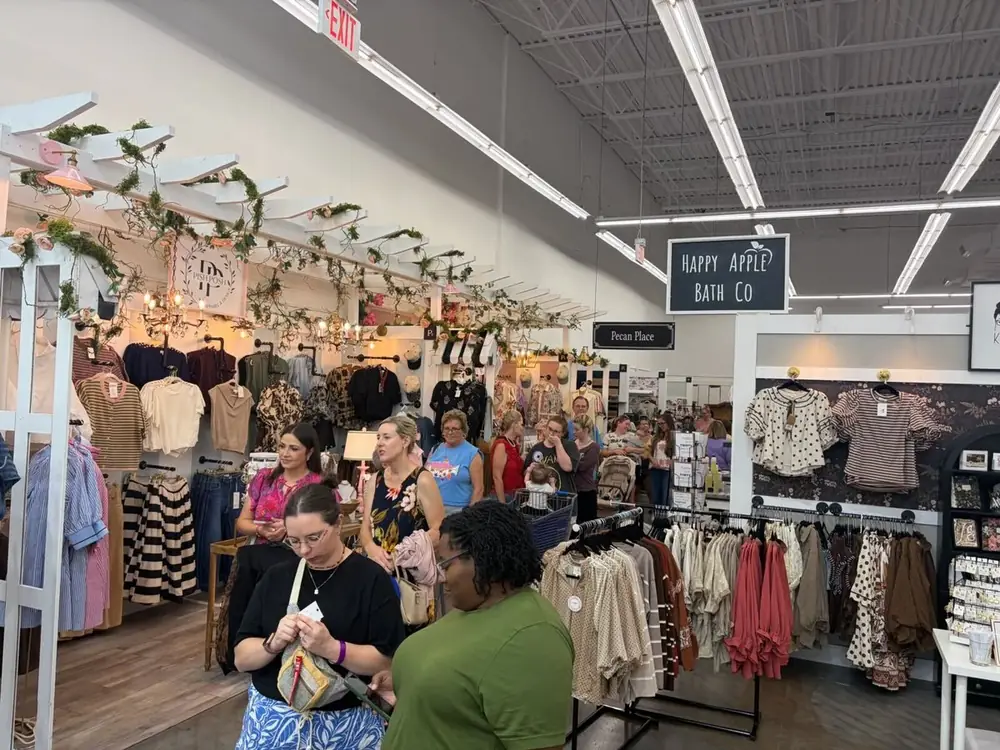
Shoppers on a multi-vendor boutique store, with individual vendor booths and signage
Booths under one roof
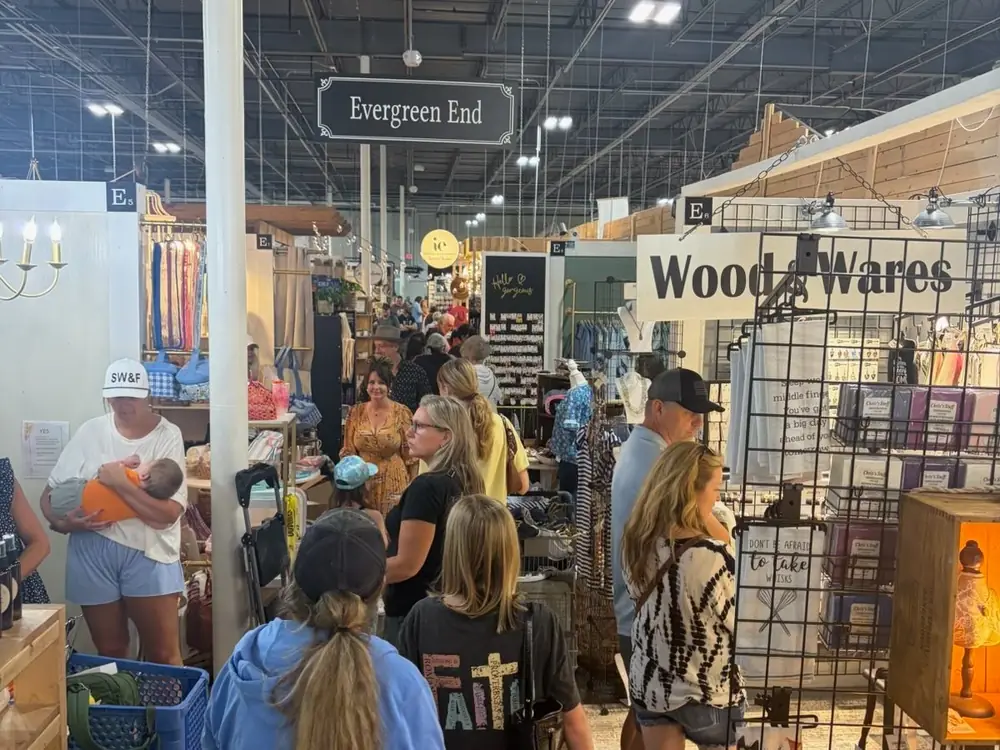
A named aisle in a vendor mall with lettered booth markers and vendor signage
Named aisles, numbered booths
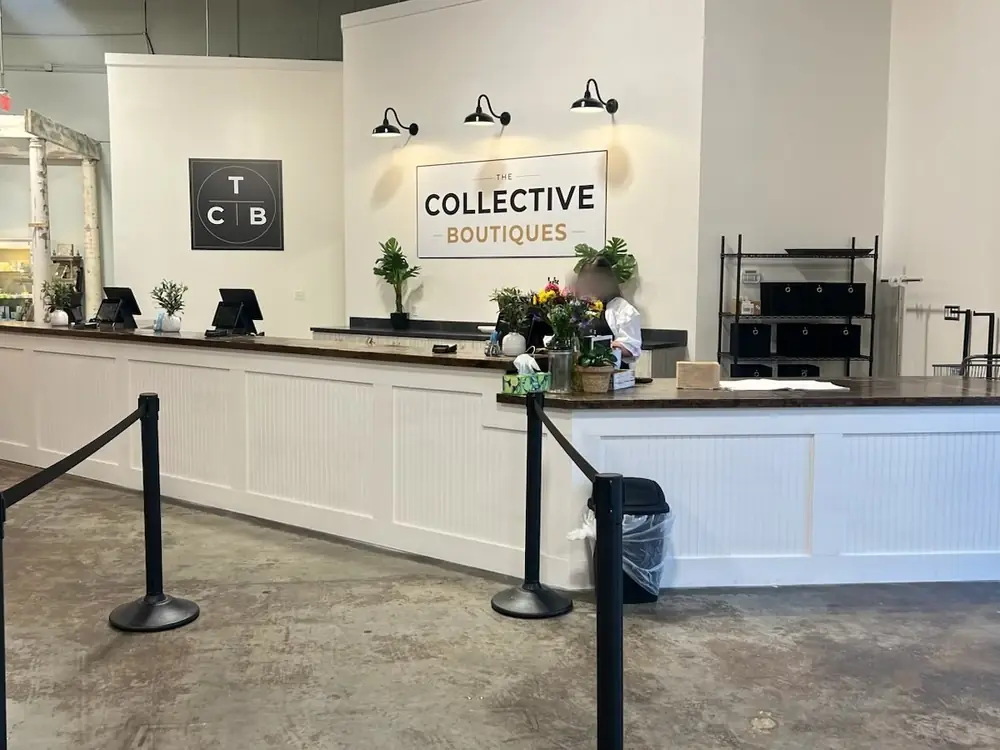
A single checkout counter with several registers serving a whole multi-vendor store
One checkout, every vendor
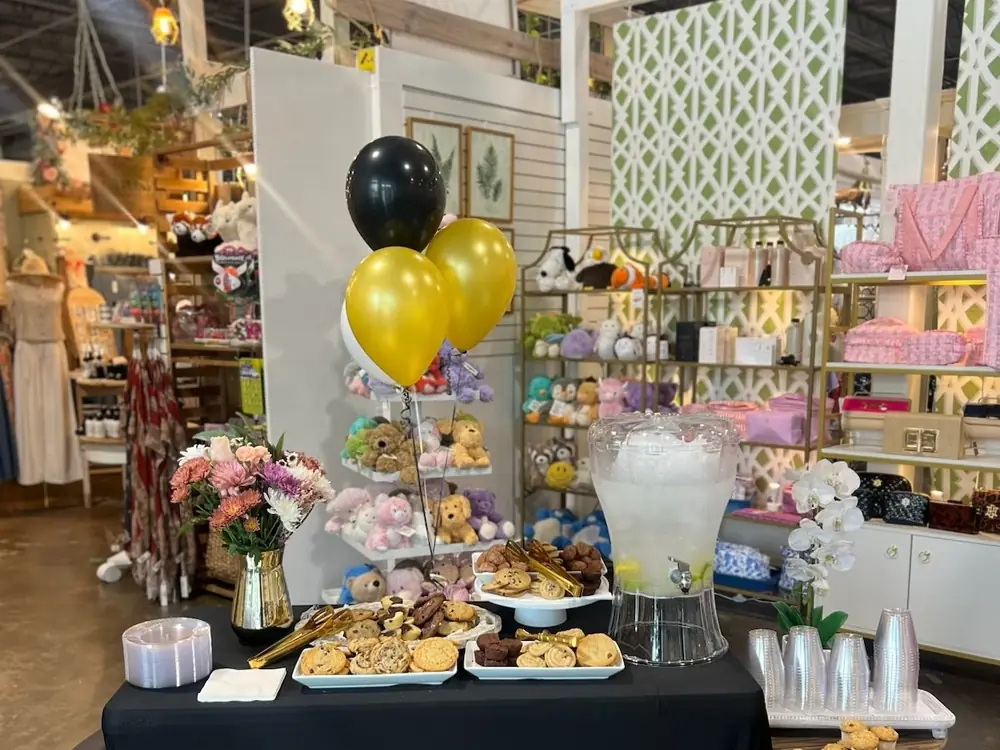
A vendor mall floor set up for an opening day event
Opening day

Multi-vendor retail

Shop owners running boutique product lines in your store, selling new goods at real volume.

SKU-level inventory for vendors selling new products
Per-vendor sell-through and performance reporting
Each shop owner gets their own login and statements
Rent, commission, or hybrid — set per vendor

Multi-vendor retail POS →

Antique malls

50 to 500 booths, vendor ledgers, and settlements vendors actually trust.

Booth rent priced by the space, not by the square foot
Bank-style vendor ledgers with self-serve access
2D and 3D floor plans with vacancy and renewal dates
One-click settlement cycles via SyncroACH™

Antique mall POS →

Vendor & booth malls

Independent vendors stock and price their own space; you run one checkout.

Vendor-managed inventory with remote item entry
Shared checkout with per-line attribution
Recurring fees, insurance, and card-fee offsets
Vendor portal for sales, balances, and statements

Why a generic POS fails a multi-vendor store →

Multi-vendor markets

Weekend, seasonal, and pop-up markets where the vendor roster changes constantly.

Add and retire vendors without reworking your setup
Short-term and per-event space assignment on the floor plan
Settle a whole event in one cycle
Vendors enter their own inventory before they arrive

Vendor marketplace software →

Consignment shops

Classic consignor splits and single-item intake, without the ceiling.

A custom commission rate per consignor
Single-item intake with photo and price in seconds
Per-consignor statements and payout history
Grows with a consignor who turns into a real retailer

Consignment POS →

Thrift stores

High-volume intake and discount cycles that run themselves.

Fast intake with barcode and label printing
Color-tag and date-based automatic discounting
Volume pricing and bulk reprice by category
Donation and outright-purchase intake paths

Thrift store software →

Collectibles & TCG

Real comps for cards, games, and comics — not a guess and a sticker.

Live PriceCharting comps at intake
Photo, barcode, and UPC-assisted listing
Condition and grade tracking per item
Case-quantity receiving for sealed product

Hobby & card shop POS →

Multi-location operators

Several buildings on one set of books.

Consolidated reporting across every location
Cross-store inventory transfers
Per-store and roll-up vendor performance
Metered API access for franchise operators

One thing every one of them shares

More than one business sells under your roof, and somebody has to get the accounting right. That is the part generic retail software has never solved.

Not sure which one you are?

Most stores are a mix — some consignment, some booth rent, some store-owned. Tell us how yours works and we will show you the setup.

Book a demo